
Brow Mapping Explained: Why Shape Comes Before Pigment
Your brows can change the way your entire face looks. They frame your eyes, add definition, and help bring balance to your features. Getting beautiful permanent makeup brows is not simply about choosing the right pigment or brow technique. It starts with getting the shape right.
That is where brow mapping comes in.
Before any pigment touches your skin, a trained permanent makeup artist should take time to study your facial features, measure your proportions, and design a brow shape that complements your natural appearance. This preparation is an important part of the process, whether you want fuller-looking brows or are learning to become a permanent makeup artist.
So, what exactly is brow mapping, and why does it matter so much?
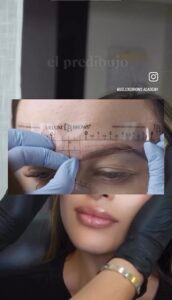
What Is Brow Mapping?
Brow mapping is a technique used by permanent makeup artists to plan and outline the ideal eyebrow shape before beginning a procedure. It involves taking facial measurements and using specific reference points to determine where the brows should start, where the arches should sit, and where the tails should end.
Rather than choosing a brow shape based on trends or personal preference alone, the artist considers the client’s facial structure and natural brow growth.
Mapping typically involves identifying three important points:
- The starting point: This helps determine where the inner part of each brow should begin, using the nose and eye area as reference points.
- The arch: This identifies the highest part of the brow and helps create a shape that complements the client’s facial proportions.
- The tail: This establishes where the brow should end, helping maintain a balanced and natural-looking appearance.
These points create a guide that the artist uses to draw and refine the proposed brow shape before applying pigment.
Why Brow Mapping Comes Before Pigment
It can be tempting to focus on the final brow color or the technique being used, whether that is powder brows, nano brows, or another permanent makeup method.
However, pigment cannot fix a poorly designed shape.
The outline determines the overall appearance of the brows. If the shape is too long, too short, too high, or too low for the client’s features, even beautifully applied pigment may not create the desired result.
Brow mapping allows the artist to plan the design before making any changes to the skin. It also gives the client an opportunity to see the proposed shape, ask questions, and discuss adjustments.
This is especially important because permanent makeup involves depositing pigment into the skin. Although results can be adjusted or corrected in some cases, changes are not always simple. Taking time to plan the shape helps reduce avoidable design mistakes.
Understanding Symmetry and Facial Proportions
One of the biggest reasons brow mapping matters is symmetry.
The human face is not perfectly symmetrical. One eye may sit slightly higher than the other, one brow may naturally arch differently, or one side of the face may have more prominent features.
A good artist understands that trying to make both brows look identical can sometimes make the overall appearance less balanced.
Instead, the goal is to create brows that complement the face as a whole.
During mapping, the artist considers:
Eye placement: The distance between the eyes and the position of the eyelids help guide brow placement.
Nose structure: The nose provides useful central reference points when determining where the brows should begin.
Forehead and facial shape: The width and proportions of the forehead can influence how full, long, or defined the brows should appear.
Natural brow growth: Existing brow hair and natural growth patterns help guide the design and determine where additional definition may be appropriate.
These details help the artist create a customized shape instead of applying the same brow template to every client.
To learn about permanent makeup training, visit our dedicated Instagram page HERE
Brow Mapping Consultation
A brow mapping consultation is an opportunity to discuss the desired shape before the permanent makeup procedure begins.
During your appointment, our trained professional may:
- Examine the client’s natural brows, facial proportions, and existing hair growth.
- Discuss the client’s preferred brow shape, fullness, and overall appearance.
- Take measurements using appropriate mapping tools and reference points.
- Draw an outline of the proposed brow shape.
- Review the design with the client and make adjustments where appropriate.
- Discuss the recommended permanent makeup technique and what to expect during the procedure.
The client should feel comfortable asking questions and sharing concerns. No pigment should be applied until the proposed design has been reviewed and agreed upon.
You can visit our Instagram page to see real-life results at Beiamed and of Beiamed services. To see more on surgical transformation treatments, visit our dedicated Instagram page, beiamedsurgical.
A free consultation is a good opportunity to understand the process, discuss suitability, and make an informed decision.
Most importantly, do not rush the mapping stage. Strong design skills provide a foundation for more confident and responsible permanent makeup practice.
If you want to develop these skills professionally, structured PMU training can help you understand the principles behind brow design, mapping, and application.
Ready to take the next step?
Book a free brow consultation with BEIAMED.
If you are interested in becoming a skilled PMU artist, explore BEIAMED’s training opportunities and start building your foundation in brow design.
You can text us directly via WhatsApp for a FREE consultation and chat with our aesthetic consultant for any questions or concerns.
You can also call us directly to speak with customer service at 786-953-5254
We offer financing at 0% interest. During your consultation, our aesthetic consultant will discuss your desired outcome and create a customized treatment plan.